
Builder Handover Checklist for Resident Welfare Associations (RWAs): A Complete Guide
Learn the complete builder handover checklist for Resident Welfare Associations (RWAs). Understand essential documents, approvals, assets, compliance requirements, and common mistakes to ensure a smooth transition.
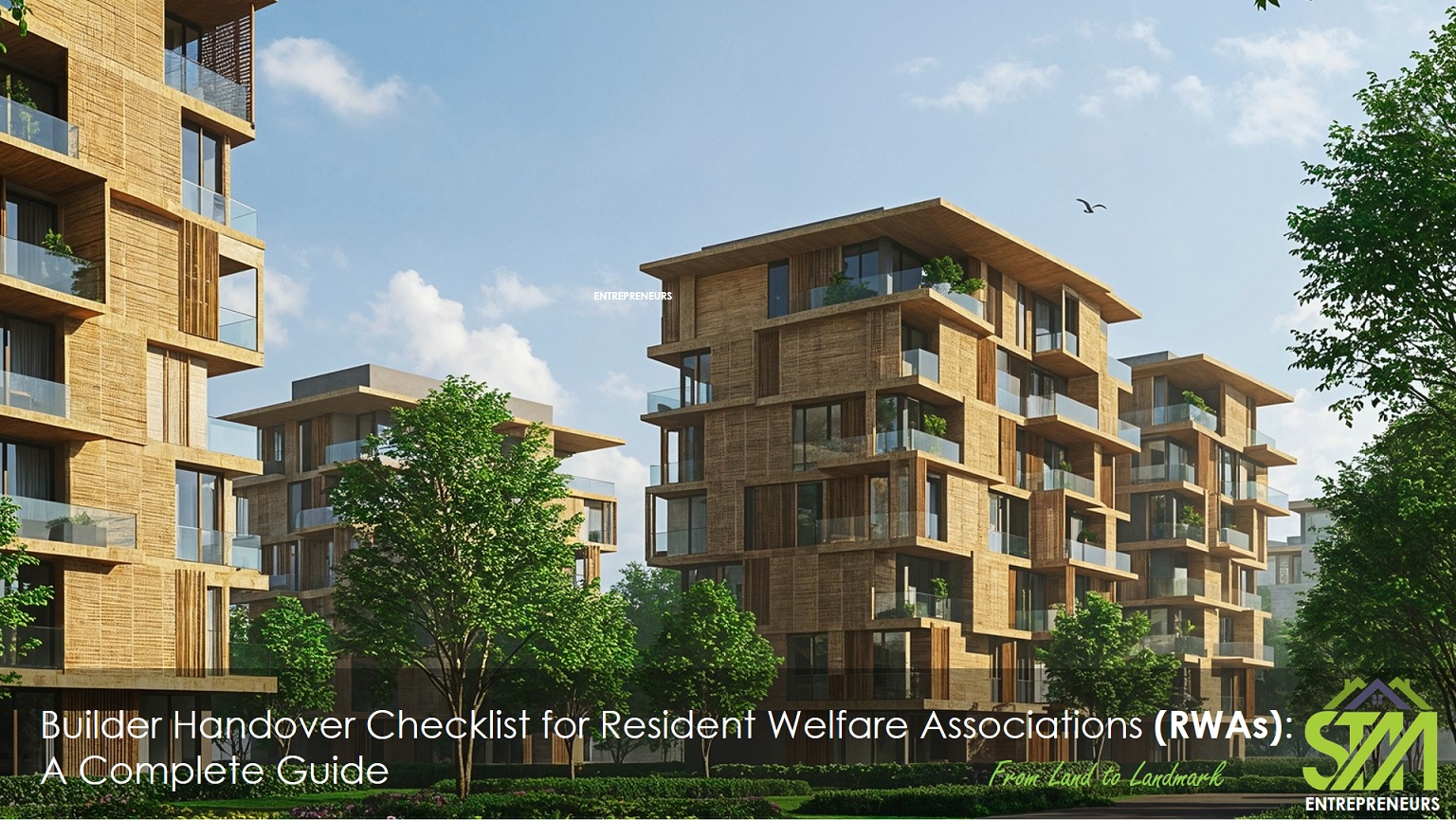
Builder Handover Checklist for Resident Welfare Associations (RWAs): A Complete Guide
Introduction
For every residential society, the transition from the developer to the Resident Welfare Association (RWA) is one of the most important milestones. A properly executed builder handover ensures that residents receive complete control over the society’s infrastructure, records, utilities, and common assets.
Unfortunately, many RWAs face difficulties because important documents, approvals, maintenance records, or statutory compliances are either incomplete or not properly verified during the handover process.
This guide explains the essential builder handover checklist, common challenges, and best practices to help RWAs manage a smooth and transparent transition.
What is Builder Handover?
Builder handover is the formal process through which the developer transfers the management, maintenance responsibilities, common areas, and relevant records of a completed residential project to the Resident Welfare Association.
A proper handover safeguards the interests of residents and enables the RWA to manage the society effectively from day one.
Why Proper Builder Handover Matters
An incomplete or poorly managed handover may result in:
- Missing project records
- Maintenance disputes
- Unclear ownership of common assets
- Pending statutory compliances
- Financial disagreements
- Operational challenges
- Delays in society management
Conducting a systematic review before accepting the handover helps minimize future complications.
Essential Builder Handover Checklist
1. Statutory Approvals
Verify that copies of all relevant approvals, permissions, and completion-related documents are available.
These may include:
- Layout approvals
- Building approvals
- Completion certificates
- Occupancy certificates (where applicable)
- Fire safety approvals
- Environmental clearances
- Utility connection approvals
2. Project Documentation
Ensure the builder provides:
- Approved layout plans
- Building drawings
- Structural drawings
- Utility layouts
- Service drawings
- Operation manuals
- Warranty documents
3. Common Area Assets
The RWA should physically inspect and verify all common facilities such as:
- Clubhouse
- Parks
- Roads
- Street lighting
- Water supply systems
- Sewerage systems
- Security infrastructure
- Lifts
- DG sets
- Fire-fighting systems
- Pumps
- STP/WTP (if applicable)
4. Financial Records
The builder should provide complete financial transparency regarding:
- Maintenance collections
- Security deposits
- Vendor payments
- AMC agreements
- Outstanding liabilities
- Utility payments
5. Service Contracts
Review all existing contracts including:
- Housekeeping
- Security
- Landscaping
- Lift maintenance
- DG maintenance
- Fire safety systems
- Pest control
- Waste management
Understand renewal dates, service scope, and vendor obligations before taking over.
6. Utility Connections
Confirm the status of:
- Electricity
- Water
- Sewerage
- Storm water systems
- Internet infrastructure
- Gas supply (where available)
Ensure billing responsibilities are clearly transferred to the RWA.
7. Legal Documents
Verify availability of:
- Society registration records
- Land ownership documents
- Common area records
- Builder declarations
- Litigation status (if any)
- Insurance details
8. Resident Data
A properly maintained database should include:
- Flat owners
- Occupancy details
- Parking allotments
- Contact information
- Maintenance records
Common Mistakes RWAs Should Avoid
Many RWAs unknowingly accept handovers without adequate verification. Common mistakes include:
- Accepting incomplete documentation.
- Skipping technical inspections of common assets.
- Ignoring pending maintenance issues.
- Failing to review vendor contracts.
- Not documenting defects before takeover.
- Overlooking statutory compliance records.
Addressing these issues early can help prevent disputes and unexpected costs.
Best Practices for a Smooth Handover
A successful handover typically involves:
- Forming a dedicated handover committee.
- Creating a detailed document checklist.
- Conducting joint site inspections.
- Preparing an asset inventory.
- Recording observations in writing.
- Following up on pending rectifications.
- Maintaining transparent communication with residents.
These practices contribute to a more organized transition and stronger governance.
Why Professional Assistance Makes a Difference
Builder handovers often involve technical, legal, financial, and administrative aspects that require careful evaluation.
Professional consultancy can support RWAs by:
- Reviewing documentation.
- Coordinating with stakeholders.
- Assisting with compliance verification.
- Preparing handover checklists.
- Facilitating smoother communication.
- Identifying gaps before the transition is finalized.
This structured approach helps reduce risk and improves the overall efficiency of the handover process.
Conclusion
A well-planned builder handover lays the foundation for effective residential community management. By carefully verifying documents, inspecting assets, and ensuring regulatory compliance, RWAs can begin their responsibilities with confidence and clarity.
Whether the society is newly completed or transitioning to resident management, following a structured handover process helps create a transparent, well-governed, and sustainable community.